

Historically believed to be spirit children destined to die young only to be reborn to the same grieving parents, the Emasu phenomenon represents a poignant collision between ancient spiritual beliefs and what modern medicine now identifies largely as Sickle Cell Anemia and poverty-driven health crises. This article explores the rich mythology of the Emasu while raising vital medical awareness to separate folklore from scientific fact.
The Mythology of the Emasu
The term "Emasu" finds its roots deeply embedded in the Ebira language, translating roughly to "born to die" or "predestined to death." It denotes a spirit child caught in a continuous state of liminality. Torn between the physical world and the spiritual realm, these children are believed to possess supernatural knowledge and an unquenchable thirst for human experience, only to abruptly return to the spirit world (Ozi Opa), leaving devastated families searching for answers.
- The Role of Destiny (Ozu): Traditional Ebira beliefs emphasize the concept of Ozu (one spirit self or destiny), which embodies the core of human essence and accompanies an individual from inception. For the Emasu, their Ozu is tragically tied to a fleeting earthly existence.
- Spiritual Origins: Folklore suggests that Emasu spirits reside in rivers, revered trees like the iroko, baobab, and silk-cotton. They are also thought to gather near anthills or dung hills, pits (Itutu) at unconventional hours, such as during peak of the day or sunrise or mid nights,
- The Trickster Element: Often associated with mischievous spiritual forces (Ozi Opa), Emasu children are historically characterized as stubborn, extraordinarily beautiful, and highly talented. These traits were believed to be deliberately designed to deepen their parents' inevitable grief upon their sudden demise—often occurring during joyous occasions like graduations or weddings.
Traditional Coping Mechanisms
For generations, Ebira parents employed desperate, emotionally taxing measures to "earth" or ground these children to the mortal plane, hoping to break the cycle of death and rebirth:
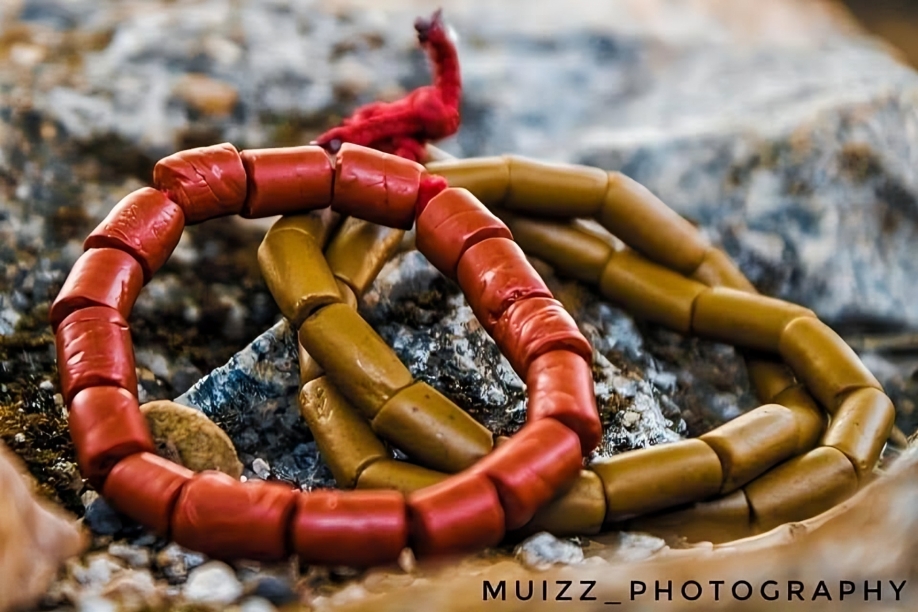
- Spiritual Fetters: Iron trinkets, heavy bangles, and spiritual talismans with bells were shackled to the wrists and ankles of the Emasu child to drive away lingering spirits calling them back to the spiritual realm.
- Pleading Names: Desperate parents bestowed specific names upon the children to entice them to stay. Names like Enehezeyi (The one that love life) were accompanied by specific Engwureha (praises) to appease their restless spirits.
- Scarification: To reduce the spirit's value in the afterlife and prevent its return, traditional families would sometimes physically mark the child at birth. In tragic cases of death, the deceased child's body might face mutilation or hot-iron branding, fueled by the belief that a disfigured spirit would be banished from the earthly plane.
The Medical Reality: Science Over Superstition
While the cultural narrative is captivating and deeply rooted in historical folklore, it is vital to separate myth from medical reality. The heartbreaking cycle of the Emasu is directly correlated with highly preventable and manageable genetic conditions.
Myth vs. Medical Reality
| Traditional Belief (Emasu) | Scientific Reality |
| A spirit child destined to die and return to the same womb repeatedly. | Sickle Cell Anemia: A genetic blood disorder occurring when parents with incompatible genotypes (e.g., AS and AS) reproduce, leading to a high likelihood of childhood mortality if unmanaged. |
| The child is naturally sickly due to spiritual torment and occult connections. | Weakened Immune System: Sickle cell crises cause severe physical pain, high susceptibility to infections, and chronic, life-threatening illnesses. |
| Spiritual curses causing sequential childhood deaths within a poor family. | Poverty and Healthcare Access: A lack of access to modern prenatal care, vaccinations, and basic pediatric medicine historically resulted in devastatingly high infant mortality rates. |
| Physical deformities mirroring past lives (e.g., a child born with the same marks as a deceased sibling). | Genetic and Congenital Conditions: Inherited traits, genetic anomalies, or complications during fetal development, rather than spiritual reincarnation. |
A Note on Genotype Awareness: The most effective way to prevent the tragedy once attributed to the Emasu is through modern medical testing. Knowing your genotype before marriage is a critical step in preventing Sickle Cell Anemia and ensuring a healthy future for the next generation.
Conclusion: Embracing Knowledge and Heritage
The Ebira concept of the Emasu is a poignant reminder of how our ancestors sought to explain and survive the unimaginable pain of child loss. It stands as a testament to the enduring love and resilience of Ebira mothers who continued to hope, birth after birth, in the face of devastating grief.
Today, as science and medicine have illuminated the true genetic and socio-economic causes of these tragic deaths, our narrative must evolve. By championing genotype compatibility testing and advocating for comprehensive Sickle Cell care, we can successfully break the cycle of infant mortality. The Emasu will rightfully endure as a fascinating piece of Ebira mythology, but through medical awareness, we can ensure it remains a story of the past rather than a reality of our present.



Discussion 0
Join the Ebiraland community conversation! Sign in to leave a comment or reply.
No comments yet. Be the first to share your perspective!